
The Brutalist awards Run: Ultimate 2025 Oscar Triumphs Explored!
The Brutalist awards journey redefined modern cinema. Discover the ultimate review of its historic 2025 Oscar wins, nominees, and massive industry impact.
The Brutalist awards season stands as a monumental milestone in modern cinema history, sweeping major international stages and redefining the trajectory of post-war architectural epics. Directed by the visionary Brady Corbet, this breathtaking 215-minute masterpiece captured the hearts of global critics, industry peers, and academy voters alike. The narrative follows the arduous journey of László Tóth, a brilliant Hungarian-born Jewish architect and Holocaust survivor who immigrates to the United States to rebuild his life, his identity, and his creative soul.
The phenomenal run of The Brutalist awards campaign demonstrates that uncompromising, long-form artistic cinema still possesses the distinct power to completely dominate mainstream award ceremonies. Throughout its long journey from European film festivals to the glamorous red carpets of Hollywood, the discussion surrounding The Brutalist awards sweep grew from quiet critical praise into an unstoppable promotional freight train.
For cinephiles and industry trackers looking to unpack how this historic narrative shook up the entire awards landscape, our deep-dive review covers every single victory, major nomination, and technical masterpiece that contributed to this modern legacy. To truly appreciate this award-winning cinematic achievement from the comfort of your own home, you can easily access the viewing options right now. Click the button below to stream this historic masterpiece immediately:
Overview of the Film’s Historic Run
When analyzing the massive footprint of The Brutalist awards journey, one must first look at how this unique film challenged standard Hollywood structures. Shot on pristine VistaVision 35mm film and presented with a dedicated 15-minute intermission, the project was initially viewed by mainstream distributors as a massive commercial gamble. However, the momentum of The Brutalist awards success proved that global audiences and voting bodies were starving for bold, uncompromising artistic execution. As the movie traveled across various competitive circuits, the incredible narrative surrounding The Brutalist awards honors began to set historic precedents, demonstrating that an independent co-production between the United States, the United Kingdom, and Hungary could stand shoulder-to-shoulder with massive studio blockbusters.
The core theme of the movie explores the deep intersections of immigration, industrial capitalism, and artistic integrity in post-World War II America. By grounding these complex thematic elements in a beautifully realized historical setting, Brady Corbet crafted an experience that was inherently tailor-made for critical recognition. The subsequent tracking of The Brutalist awards statistics reveals a balanced appreciation for both the technical artisans working tirelessly behind the camera and the brilliant performers executing complex emotional arcs in front of it. For more detailed insights into how this project stacks up against the competitive cinema landscape of the year, make sure to visit our comprehensive Movies review Page, where we break down the finest narrative details of recent releases.
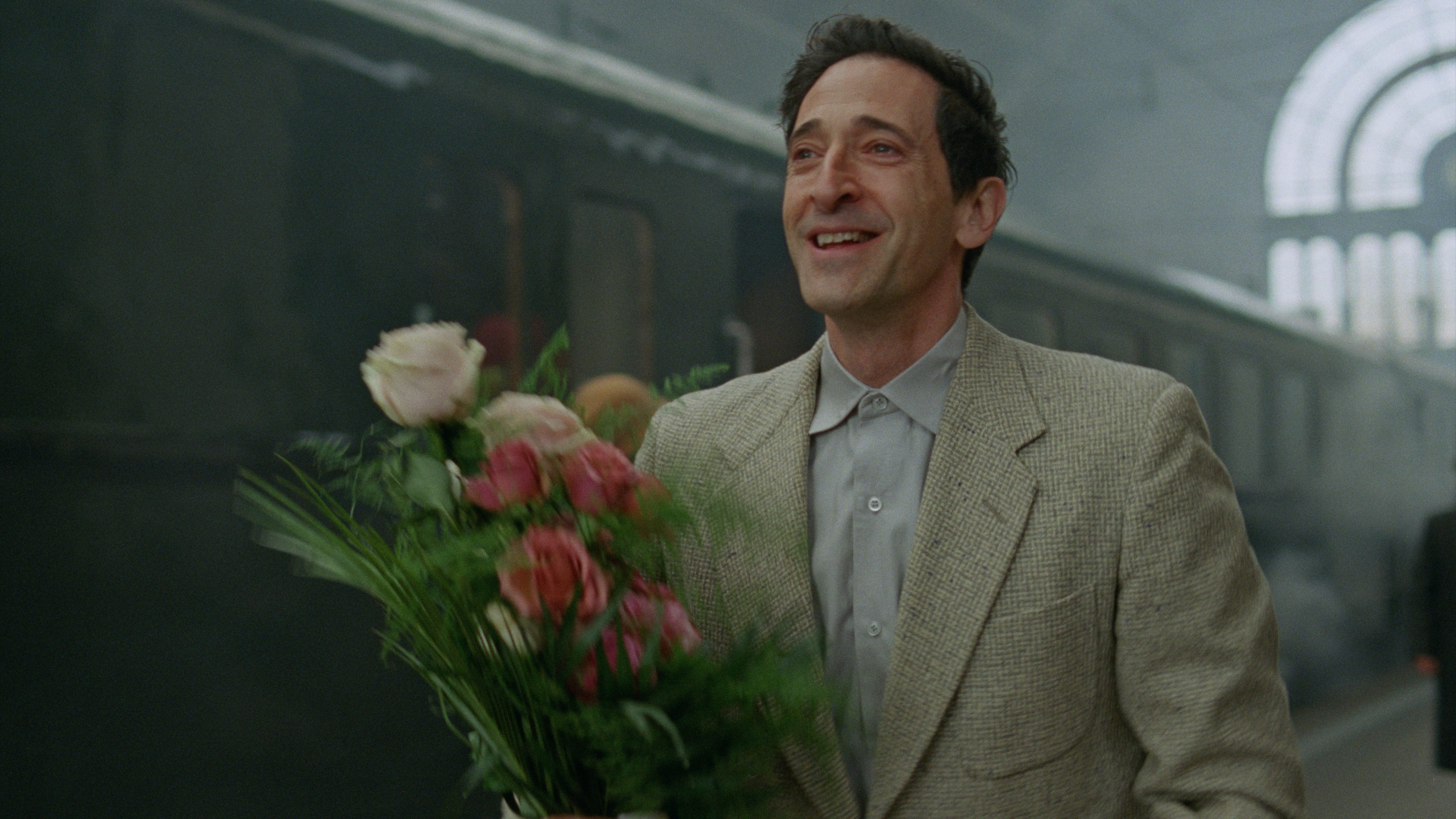
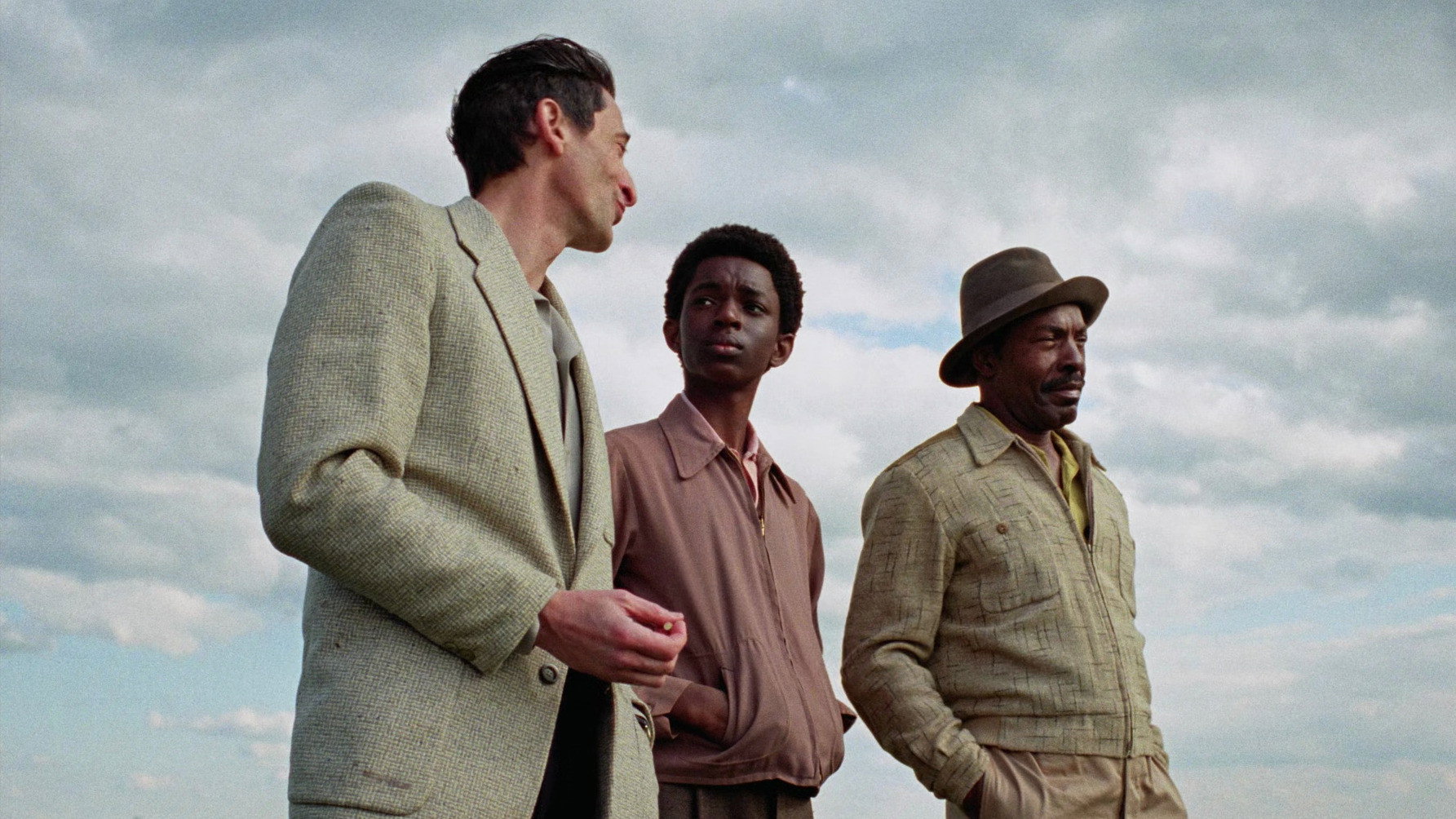
To give you a better visual sense of the raw emotional power and visual grandeur that fueled this historic run, look no further than these striking visual highlights from the production and its celebrated cast:
Award Details and Competitive Milestones
The initial validation of The Brutalist awards narrative took place at the prestigious 81st Venice International Film Festival. It was on this global stage that the film had its monumental world premiere, instantly stunning international critics and walking away with the highly coveted Silver Lion for Best Direction. This singular win acted as the perfect launchpad, instantly validating the film’s extreme runtime and uncompromising aesthetic choices. Following Venice, the wave of The Brutalist awards momentum rapidly expanded across the Atlantic, dominating the conversation at the Toronto International Film Festival and capturing top honors from elite critics’ organizations, including the prestigious New York Film Critics Circle and the Los Angeles Film Critics Association.
As the winter voting season intensified, the sheer structural strength of The Brutalist awards campaign became undeniable. The film quickly secured a prominent place on the American Film Institute’s Top 10 Films of the Year list, providing the necessary industry backing to propel it directly into mainstream academy consideration. Industry analysts tracking the trajectory of The Brutalist awards sweep noted that the film possessed a unique cross-over appeal, seamlessly uniting hard-to-please arthouse critics with traditional guild voters who deeply appreciated the grand scale of old-school Hollywood filmmaking techniques. This structural versatility ensured that the movie maintained a persistent, high-profile presence across every single phase of the competitive calendar.
Nominees and the Competitive Landscape
To truly understand the massive scale of The Brutalist awards accomplishments, one must closely examine the ferocious competition it faced throughout the year. The film went head-to-head with some of the most celebrated projects in modern memory, sharing nomination ballots with cinematic heavyweights like Sean Baker’s vibrant drama Anora, Ridley Scott’s massive blockbuster Gladiator II, and Denis Villeneuve’s sci-fi epic Dune: Part Two. Within this stacked environment, the emergence of The Brutalist awards as a dominant force was a thrilling surprise for industry purists. The movie managed to secure an astounding ten nominations at the 97th Academy Awards, highlighting its widespread structural support across the acting, directing, writing, and technical branches of the academy.
The competitive breakdown of The Brutalist awards ballot placements showcased the academy’s deep, widespread admiration for the project. The film earned major nominations for Best Picture, Best Director for Brady Corbet, Best Original Screenplay for Corbet and Mona Fastvold, Best Supporting Actor for Guy Pearce, Best Supporting Actress for Felicity Jones, Best Film Editing for Dávid Jancsó, and Best Production Design for Judy Becker and Patricia Cuccia. Facing off against massive studio budgets, the independent spirit behind The Brutalist awards campaign successfully cut through the marketing noise, proving that raw cinematic power and unparalleled craftsmanship can easily outshine traditional promotional spending on the industry’s grandest stage.
Winners: Celebrating the Triumphs of The Brutalist Awards
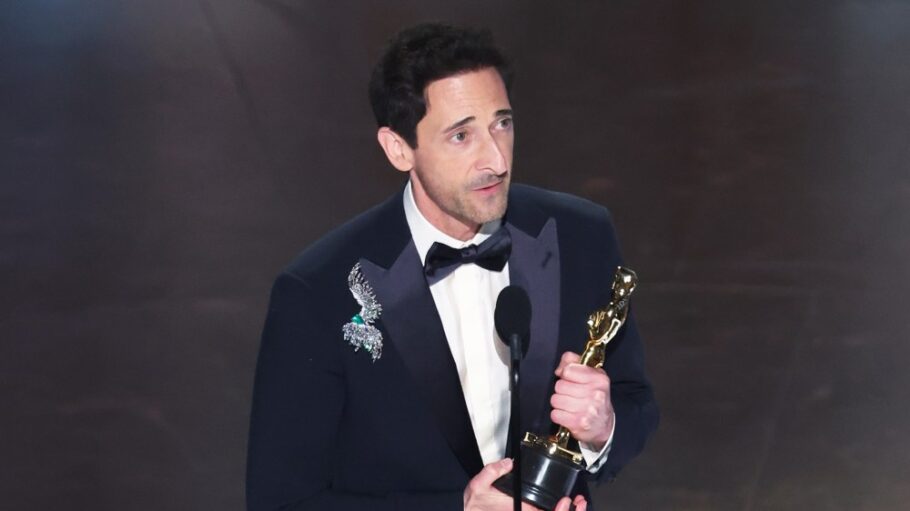
The true climax of The Brutalist awards journey materialized in a series of breathtaking victories that solidified the film’s legendary status. At the 97th Academy Awards, the film spectacularly converted its high nomination count into three major Oscar wins. The most emotionally charged moment of the evening arrived when Adrien Brody won the Academy Award for Best Leading Actor. Delivering an incredibly passionate and prolonged acceptance speech, Brody marked his second historic Oscar win, occurring exactly twenty-two years after his first legendary win for The Pianist. This incredible achievement cemented his status as one of the finest actors of his generation, with The Brutalist awards serving as the ultimate vehicle for his grand creative resurgence.
Beyond the high-profile acting categories, the technical victories for The Brutalist awards further highlighted the film’s structural perfection. Master cinematographer Lol Crawley took home the well-deserved Oscar for Best Cinematography, a fitting tribute to his breathtaking use of 35mm VistaVision compositions, deep shadows, and stark, imposing architectural framing. Additionally, brilliant composer Daniel Blumberg won the Oscar for Best Original Score, recognized for creating a haunting, dissonant, and deeply moving musical landscape that perfectly mirrored the psychological isolation of the main character. When combined with its massive triumphs at the 82nd Golden Globe Awards—where it won Best Motion Picture – Drama, Best Director, and Best Actor—the ultimate legacy of The Brutalist awards victories remains an undeniable testament to cinematic genius.
Major Highlights and Memorable Moments
Every historic campaign is defined by unforgettable moments, and the narrative surrounding The Brutalist awards run is certainly no exception. One of the most talked-about highlights of the entire season was Adrien Brody’s legendary acceptance speech at the Oscars. After stepping onto the grand stage, Brody passionately demanded that the standard exit music be stopped, reminding the audience of his deep history with the academy and delivering a long, deeply personal reflection on creative endurance, survival, and the heavy emotional weight of portraying a post-war immigrant. This raw, unfiltered moment quickly went viral across global social media platforms, embedding The Brutalist awards deep into the modern pop-culture landscape.
Another major highlight that continuously generated immense respect throughout the campaign was the universal celebration of director Brady Corbet’s bold creative choices. Standing proudly before voting bodies, Corbet consistently championed the preservation of celluloid film, the necessity of the theatrical experience, and the structural importance of the traditional mid-movie intermission. This unwavering commitment turned The Brutalist awards journey into something far greater than a mere quest for trophies; it became a rallying cry for the absolute preservation of classical cinema values in an increasingly digitized streaming age. The widespread enthusiasm generated by these discussions directly influenced the film’s incredible longevity across both domestic and international markets.
Surprises and Snubs That Shocked the Industry
Despite its massive collection of trophies, the unfolding drama of The Brutalist awards results also brought its fair share of shocking surprises and intense public debates. The most significant talking point among film critics was the surprising lack of a Best Original Screenplay win for Brady Corbet and Mona Fastvold. Given how seamlessly the script balances decades of complex historical shifts, intricate architectural philosophies, and deep human relationships, many industry insiders believed this category was an absolute lock for the film. The subversion of these expectations proved that even during an incredibly dominant run, the erratic nature of voting bodies can still deliver unexpected twists to the very end of The Brutalist awards story.
Additionally, while Guy Pearce and Felicity Jones delivered masterclass performances that earned them well-deserved nominations across the BAFTA and Golden Globe circuits, their ultimate exclusion from the winners’ circle at the Oscars left many dedicated fans deeply disappointed. Pearce’s terrifyingly charismatic portrayal of a manipulative billionaire client and Jones’s deeply moving performance as László’s resilient wife were the foundational pillars that allowed Brody’s lead role to soar to such magnificent heights. Exploring these fascinating competitive dynamics helps us understand the complex nature of industry voting, an area we cover extensively on our dedicated box office Page, where financial performance and seasonal momentum are analyzed side-by-side.
Industry Impact and Lasting Legacy
The long-term industry impact of The Brutalist awards sweep will undoubtedly be felt across the independent film sector for decades to come. By proving that a massive, historical epic can be produced successfully outside the traditional studio system and still achieve total critical and technical dominance, this project has effectively provided a brilliant new blueprint for ambitious independent filmmakers worldwide. The historic triumphs of The Brutalist awards campaign have shattered the long-standing industry myth that modern audiences and academy voters lack the patience or attention span required to engage deeply with challenging, multi-hour artistic narratives.
Furthermore, the commercial success that followed the film’s extensive recognition serves as concrete proof of the direct economic viability of high-art cinema. As the movie expanded its theatrical footprint following its ten stellar Oscar nominations, ticket sales skyrocketed globally, demonstrating that prestigious critical recognition remains one of the most effective marketing tools available in the modern media landscape. For an even broader look at how these shifting industry trends are continuing to reshape the global entertainment market, feel free to explore our main Home page, which features up-to-the-minute updates on film releases, streaming developments, and industry news.
Complete Results and Accolades Table
To provide a clear, comprehensive overview of the film’s extraordinary competitive journey, we have compiled a detailed breakdown of the major nominations and historic victories secured by the production team across the most prestigious global voting bodies:
| Award Body / Festival | Category / Accolade | Recipient(s) | Ultimate Result |
|---|---|---|---|
| 97th Academy Awards (Oscars) | Best Leading Actor | Adrien Brody | Won |
| 97th Academy Awards (Oscars) | Best Cinematography | Lol Crawley | Won |
| 97th Academy Awards (Oscars) | Best Original Score | Daniel Blumberg | Won |
| 97th Academy Awards (Oscars) | Best Picture | Production Team | Nominated |
| 97th Academy Awards (Oscars) | Best Director | Brady Corbet | Nominated |
| 82nd Golden Globe Awards | Best Motion Picture – Drama | The Brutalist | Won |
| 82nd Golden Globe Awards | Best Director | Brady Corbet | Won |
| 82nd Golden Globe Awards | Best Actor – Drama | Adrien Brody | Won |
| 81st Venice Film Festival | Silver Lion for Best Direction | Brady Corbet | Won |
| BAFTA Film Awards | Best Director | Brady Corbet | Won |
| BAFTA Film Awards | Best Leading Actor | Adrien Brody | Won |
This comprehensive record highlights the phenomenal breadth of appreciation the film received, illustrating that its excellence was recognized equally for its grand structural direction, its deep acting performances, and its flawless technical execution. For official historical databases and more extensive industry voting context, you can read the verified records on the IMDb platform.
Final Verdict and Cultural Legacy
In the final analysis, the spectacular narrative of The Brutalist awards triumphs marks a glorious validation of pure artistic ambition over safe, industrialized corporate calculations. Brady Corbet has delivered a towering masterpiece that feels both completely fresh and deeply rooted in the grand traditions of mid-century cinema. The extensive recognition showered upon this production ensures its permanent placement in the annals of film history, serving as a bright beacon of inspiration for future generations of independent artists who dare to dream on a truly epic scale.
The Brutalist awards legacy is ultimately defined not merely by the physical gold trophies lining the filmmakers’ shelves, but by the vital, passionate cultural conversations the movie has successfully reignited. It stands as an enduring monument to the unbreakable human spirit, perfectly mirroring the resilient journey of its main character, László Tóth. This is an absolute must-watch cinematic event that will undoubtedly continue to be studied, discussed, and deeply revered by passionate film lovers for decades to come.
Frequently Asked Questions (FAQ)
What are the major Oscar wins for The Brutalist?
At the 97th Academy Awards, the film won three major Oscars: Best Leading Actor for Adrien Brody, Best Cinematography for Lol Crawley, and Best Original Score for Daniel Blumberg.
How many total Oscar nominations did the film receive?
The film secured a massive total of ten nominations at the 97th Academy Awards, including Best Picture, Best Director, and Best Original Screenplay.
What did Brady Corbet win at the Venice Film Festival?
Director Brady Corbet won the highly prestigious Silver Lion for Best Direction during the film’s world premiere at the 81st Venice International Film Festival.
Where can I watch the full award-winning movie online?
You can watch the full movie right now by visiting the secure, high-quality streaming platform link directly at Streamixa The Brutalist Portal.
Why is the cinematic style of the movie called Brutalist?
The movie’s title and visual style draw heavy inspiration from Brutalist architecture, characterized by raw materials, massive concrete structures, and stark geometric forms that represent post-war societal shifts.